
Stage 1
Raw material
- Gelation Time
- Bulk Density
- Sieve analysis
- Heat Stability
Quality Policy
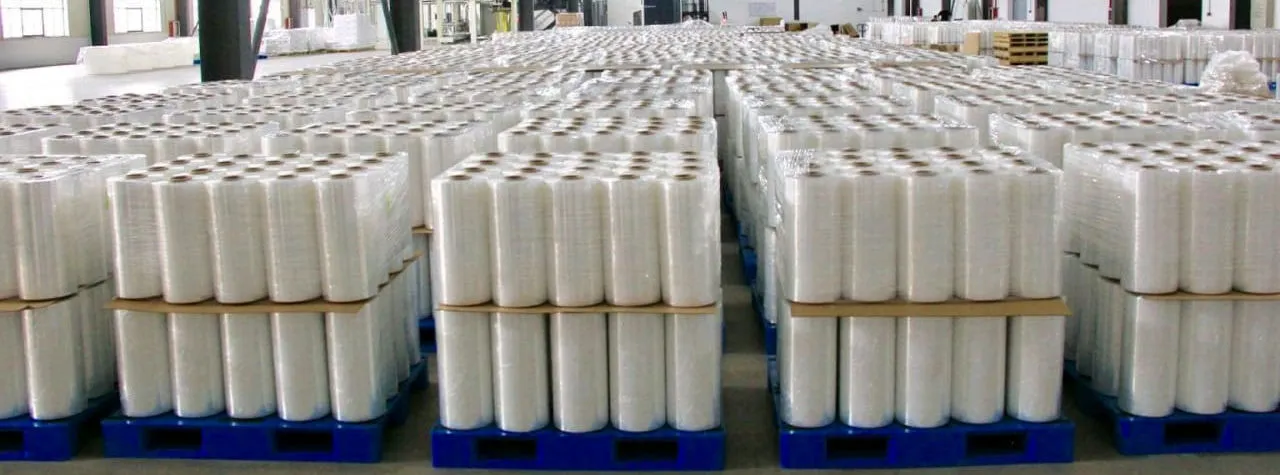
Al Tamam Factory for PVC Pipe and Fittings has state-of-the-art equipment installed at the laboratory, driven by well-qualified engineers. We focus on a high-quality, advanced product range and supply only superior quality products for domestic and international customers.
Our Quality Policy
Several tests are carried out in Al Tamam Laboratories to ensure the compliance of the products to quality standards.
Al Tamam Factory for PVC Pipe and Fittings has state-of-the-art equipment installed at the laboratory, driven by well-qualified engineers. We focus on a high-quality, advanced product range and supply only superior quality products for domestic and international customers.
We test our materials and products according to various national and international standards including SASO, ASTM, ISO, DIN, and NEMA.
Laboratory
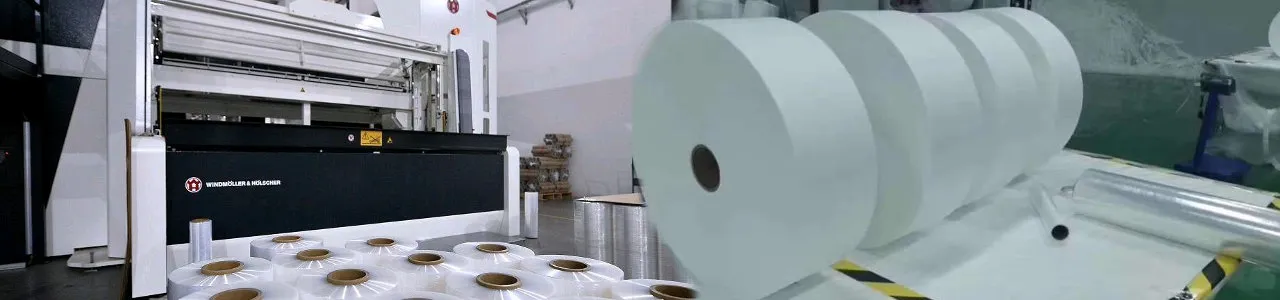
From incoming resin to finished pipe — every batch is checked in Al-Tamam laboratories before release.
Stage 1
Stage 2
Pressure test confirms pipes are manufactured to Saudi standards SASO 14/15 (1996) and 675/1997, German Standard DIN 8061, and American Standard ASTM D1785. Pressure varies depending on size and purpose of use.
Impact test subjects pipes to a striker weight increased proportionately to pipe diameter, verifying resistance per national specifications.
Facilities
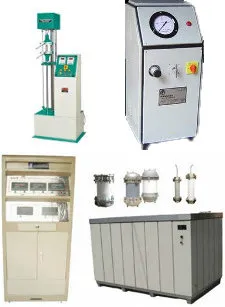
Al Tamam Factory for PVC Pipe and Fittings has state-of-the-art equipment installed at the laboratory, driven by well-qualified engineers. We focus on a high-quality, advanced product range and supply only superior quality products for domestic and international customers.
We test our materials and products according to various national and international standards.
| Name of the test | Test method | Value | Unit |
|---|---|---|---|
| Stress Test | SASO 15/1998 | No Balloon, No Burst, No Weep @20°C for 1 Hour and @60°C for 1000 Hours | — |
| Impact Test | SASO 15/1998 | No Crack, No Split | — |
| Opacity Test | SASO 1177/1997 | < 0.2 | % |
| Extrusion Test (Methyl Chloride) | SASO 15/1998 | No Attack (20 min) | — |
| Heat Reversion | SASO 15/1998 | No Delamination, No Crack, No Blister | — |
| Water Absorption | SASO 1179/1997 | < 40 | g/m² |
| Sulphuric Acid Resistance | SASO 15/1998 | 0.316 (Increases) @ 55°C 0.013 (Decreases) @ 55°C | g/14 days |
| Toxic Matters Test | SASO 15/1998 | Pb (1st Extraction) < 1 Pb (3rd Extraction) < 0.3 Sn (3rd Extraction) < 0.02 Ba, Cd, Zn (3rd Extraction) < 0.01 | Mg/ltr |
| Density | ASTM D-792 | 1.40 – 1.50 | g/cm³ |
| Tensile Strength | ASTM D-638 | 7500 | psi |
| Hardness | ASTM D-2240 | 80 ± 3 | shore "D" |
| Vicat Softening Point | ASTM D-1525 | > 80 @ 5 Kgf | °C |
| Heat Deflection | ASTM D-648 | 78 @ 264 psi | °C |
Compliance
Al-Tamam pipes are evaluated against Saudi, American, and safety-body requirements from raw material through finished product.
SASO
ASTM
UL
Tested to SASO · ASTM · ISO · DIN · UL / NEMA
Performance
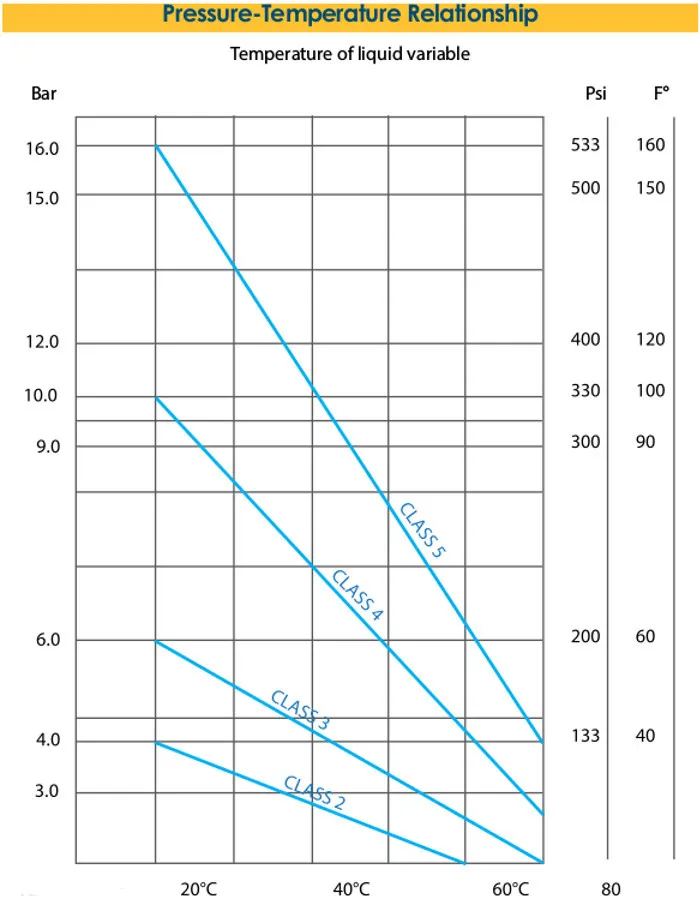
Allowable working pressure declines as liquid temperature rises. Classes 2–5 are charted for design reference across typical service temperatures.
Production
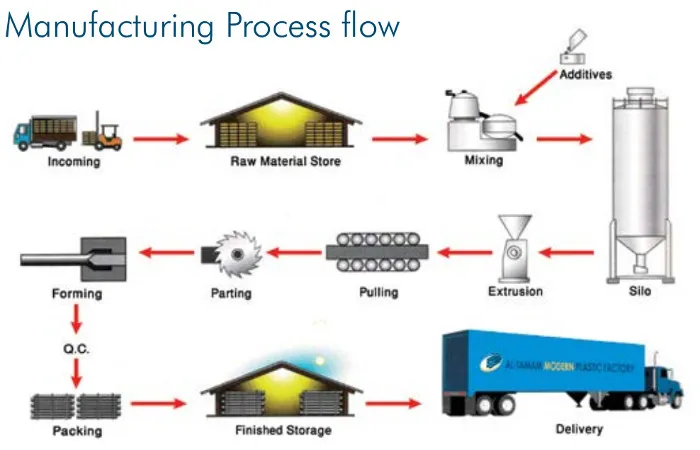
From incoming materials through extrusion, quality control, packing, and delivery — each batch is verified before dispatch.
Incoming
Raw materials arrive and are received at the factory.
Raw material store
Resin and compounds are held under controlled storage.
Mixing
Base materials are blended with additives for the required formulation.
Silo
Mixed compound is transferred to silo storage ahead of extrusion.
Extrusion
Compound is melted and formed into continuous pipe.
Pulling
Pipe is drawn through the line at controlled speed.
Parting
Continuous pipe is cut to specified lengths.
Forming
Ends are formed (socket / bell) as required.
Q.C.
Quality control checks are completed before packing.
Finish goods store
Accepted product is stored ready for dispatch.
Dispatch
Orders are loaded and delivered to customers.
Applications of uPVC pipe

Distribution networks, mainlines, casing for tube wells and raising mains for hand pumps.

Transporting chloride acid and other chemicals; milk, chemicals and gases in dairies, plants and estates.
Ventilating and safely disposing of corrosive gases.
Large-diameter pipes suited to sewer systems.
Most suitable as electrical conduits.

Irrigation, sprinkler piping for farmland and other farm uses.